
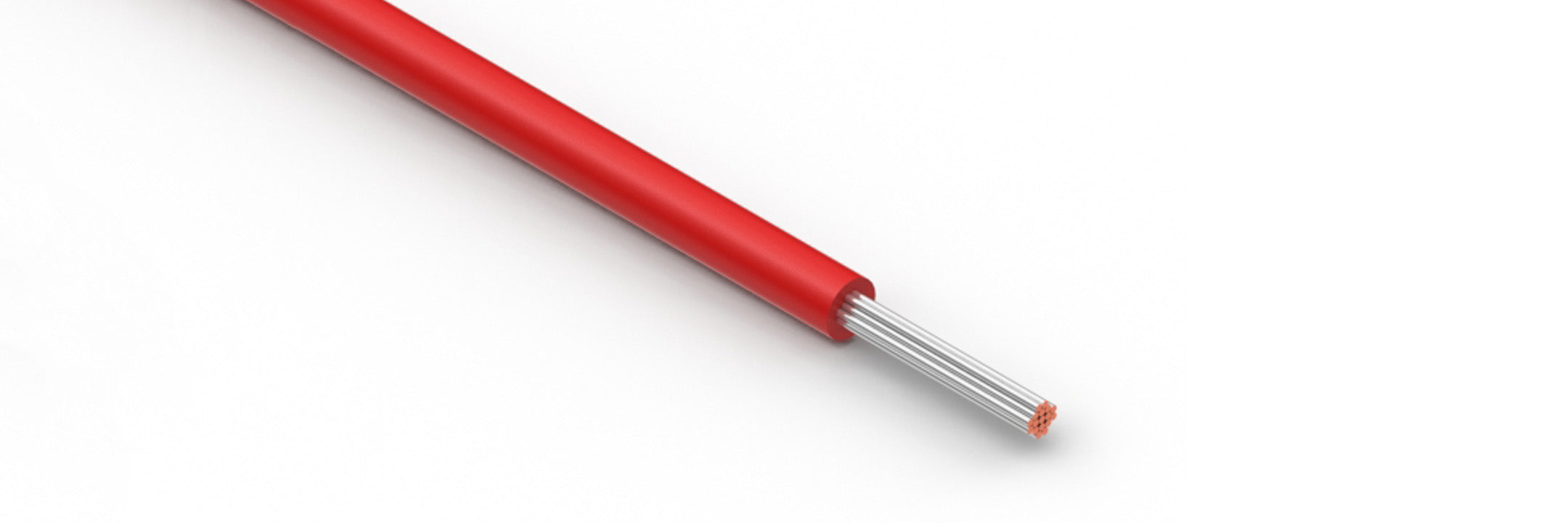
UL 1007 and UL 1569 hookup wire is designed for internal wiring where consistent electrical performance and flexible routing are required. Multi-listing supports both UL standards, allowing a single wire construction to be used across applications requiring either specification without redesign or requalification.
With a 300 V rating, VW-1 flammability rating, and a -25~105 °C temperature range, this wire supports general purpose internal wiring across a range of equipment. Stranded construction improves flexibility during installation, while multiple color options support identification and organized routing.
SEE ALL PRODUCT
Key Features |
Applications |
|
|
FAQs
What is the difference between UL 1007 and UL 1569?
UL 1007 and UL 1569 are both 300 V rated hookup wire standards, but they differ primarily in temperature rating and application requirements.
For conductor sizes 16–30 AWG, both UL 1007 and UL 1569 specify a minimum average PVC insulation thickness of 15 mils (0.015 in / 0.38 mm).
The primary difference is temperature rating. UL 1007 is typically rated to 80 °C, while UL 1569 supports higher temperature ratings up to 105 °C, depending on the material system used.
Because UL 1007 and UL 1569 specify the same minimum insulation thickness for 16–30 AWG, a single wire construction can meet both standards. With this dual listing, applications requiring UL 1007 can utilize a construction that also supports the higher 105 °C temperature rating defined by UL 1569.
What is this wire used for?
Used for internal wiring in electronics, appliances, control systems, instrumentation, and robotics, and any internal electrical application requiring hook-up wiring, where flexibility and flame resistance are required.
Where should this wire not be used?
Not recommended for outdoor use, direct burial, continuous flexing, or high voltage applications.
What is VW-1 flammability?
VW-1 is a UL vertical flame test used to evaluate a wire’s ability to resist flame propagation and self-extinguish.
In this test, a vertically suspended wire is exposed to a standardized flame for 15 seconds, followed by a 15 second interval without flame. This cycle is repeated five times.
To pass VW-1, the wire must:
- Self-extinguish after each flame application
- Not continue burning long enough to ignite a cotton indicator placed below the sample
- Limit flame spread along the length of the wire
This test ensures the insulation material will resist sustained combustion and reduce the risk of flame propagation in electrical assemblies.